
Lower Yuba River Fishing Report
A wild trout fishery defined by seasonal hatches, technical presentations, and thoughtful water reading.
About This Fishery
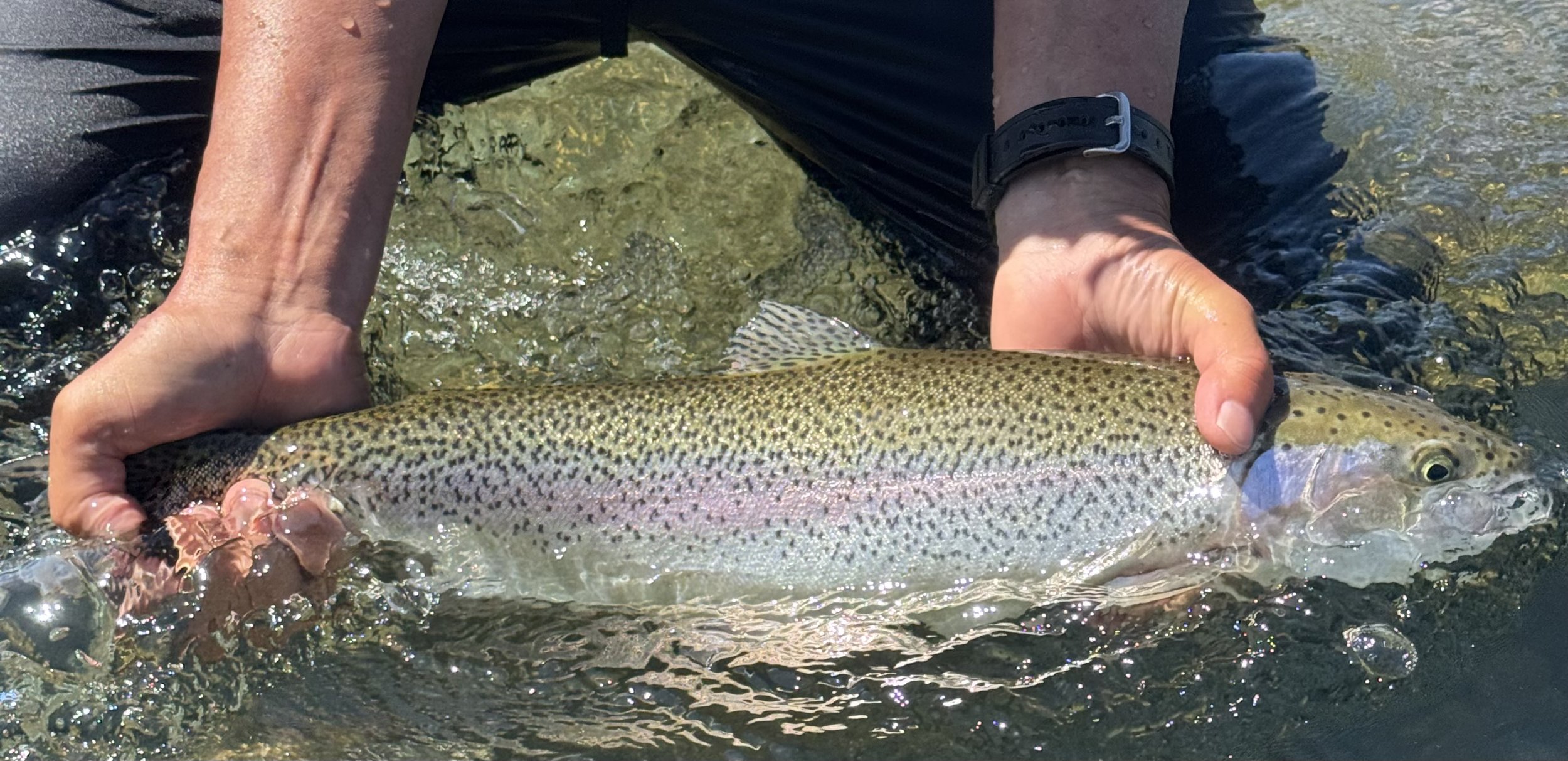
The Lower Yuba River below Englebright Dam is one of Northern California’s most unique tailwaters. It supports a strong population of wild rainbow trout and offers legitimate dry fly opportunities alongside consistent nymph fishing.
This river is defined by structure, depth transitions, and subtle seams rather than obvious bucket water. Fish here tend to hold in specific lanes and reward anglers who focus on precision and patience.
The Yuba can feel forgiving when fish are active — and extremely technical when they’re not. It’s a river that consistently teaches something.
Well-suited for intermediate to advanced anglers, but beginners willing to focus on fundamentals can absolutely find success.
Current Conditions:
Updated:02/13/2026
Flows:1500 CFS
Water Clarity: Clear to slightly stained depending on recent weather
Weather Trend:Seasonal patterns
Pressure: Moderate, especially weekends and popular access points
Overall Outlook: Consistent fishing with strong nymph opportunities and potential dry fly windows
With recent rain, clarity can fluctuate. If visibility drops and the river gains color, fish often become less selective — and worms or slightly larger profiles can become effective tools.
If this section hasn’t been updated recently, conditions generally follow normal seasonal trends for current flows.
Current Fly Suggestions
-
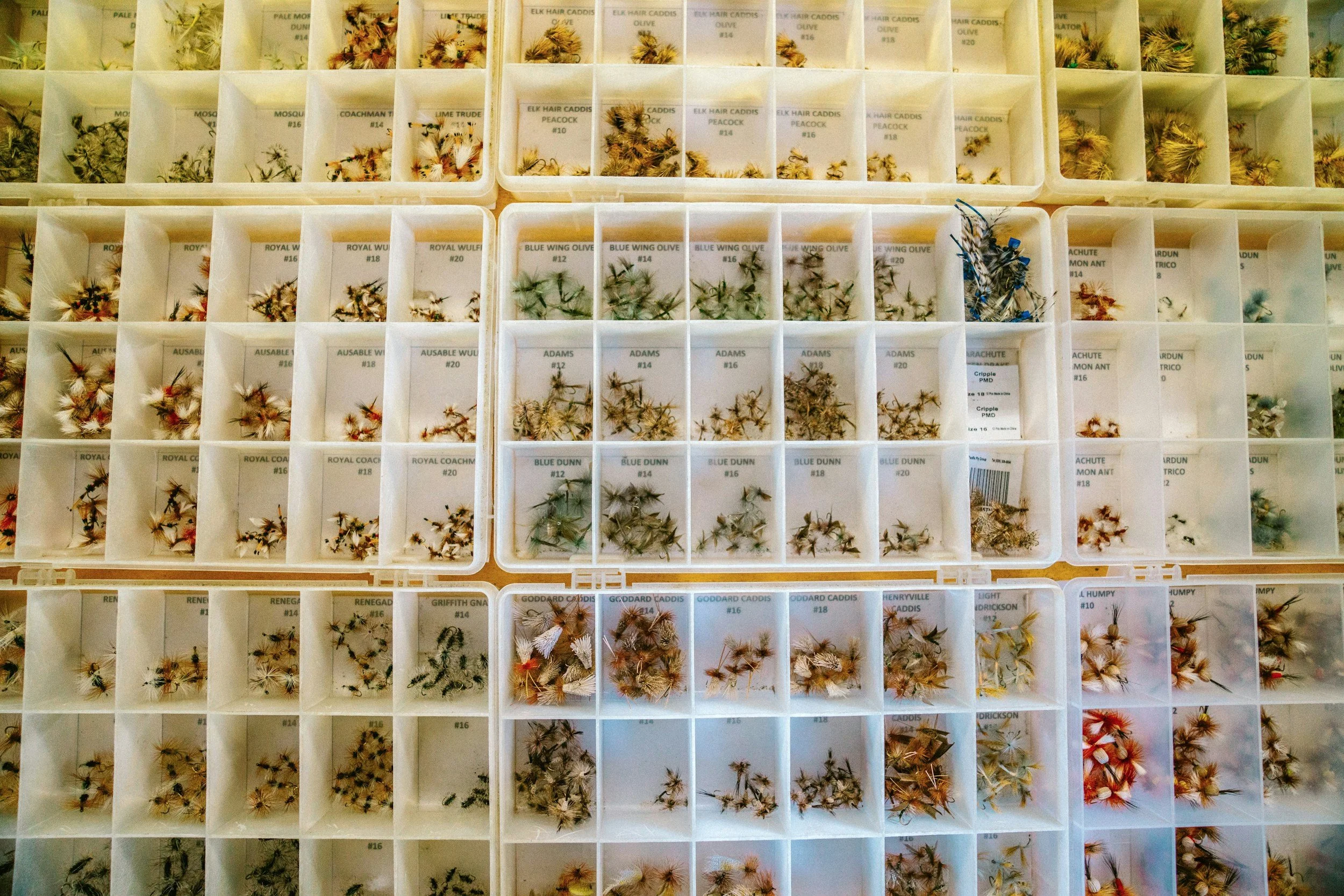
Olive Hotspot (16–18)
Flashback Pheasant Tail (16–18)
Sweet Pea (16–18)
Olive Bird’s Nest (14–16)
Hogan’s S&M (16–18)
Zebra Midge (18–20)
When flows rise or clarity decreases:
San Juan Worm (red or pink)
Slightly larger caddis or attractor nymphs
The Yuba often responds more to proper depth than constant fly changes.
-
When conditions line up, the Lower Yuba offers legitimate dry fly fishing.
Blue-Winged Olives
PMDs (seasonal)
Caddis (tan or olive)
Small attractor dries in pocket water
Fish softer seams, inside edges, and tailouts during hatch windows. When fish commit, they often feed rhythmically — stay patient and don’t rush casts.
-
Small sculpin patterns
Olive or black leeches
Best during lower light conditions or when targeting aggressive fish near structure.
Flies listed here reflect what’s been effective recently and may change as conditions shift.
Gear Reccomendations
-
Single Hand- 9’ 4–5 weight
Two Hand- 11’6” -3 Weight
-
Floating line
-
Leader: 9–12’ tapered leader
Tippet: 4X–6X fluorocarbon
-
Flows below 1500 CFS are extremely wadable willingness to hike will open alot of water for you
How to Fish This Water
Lower Yuba success comes down to reading structure and managing depth.
Fish commonly hold in:
Defined seams
Tailouts
Depth transitions
Walking-speed water adjacent to structure
Rather than racing through water, slow down and fish productive lanes thoroughly.
Key Tips
Adjust weight before changing flies
Focus on clean, drag-free drifts
Watch for subtle takes
Move when water stops producing
This river rewards intention.
Want Help Dialing This In?
This fishery can be incredibly rewarding, but small adjustments in depth, fly choice, and approach make a big difference. Guided trips and private clinics are available when conditions line up.
Fishing conditions change quickly. Updates are posted when I’m on the water or receive reliable reports. If you’re planning a trip and want the most current information, feel free to reach out.