

Why You’re Not Catching Fish Fly Fishing (And What Actually Works Instead)
If you’ve ever walked away from a day on the water wondering why nothing happened, you’re not alone.
It’s easy to blame conditions.
Low water. High water. Wrong flies. Bad timing.
But most of the time, the difference between a slow day and a productive one comes down to a handful of decisions.
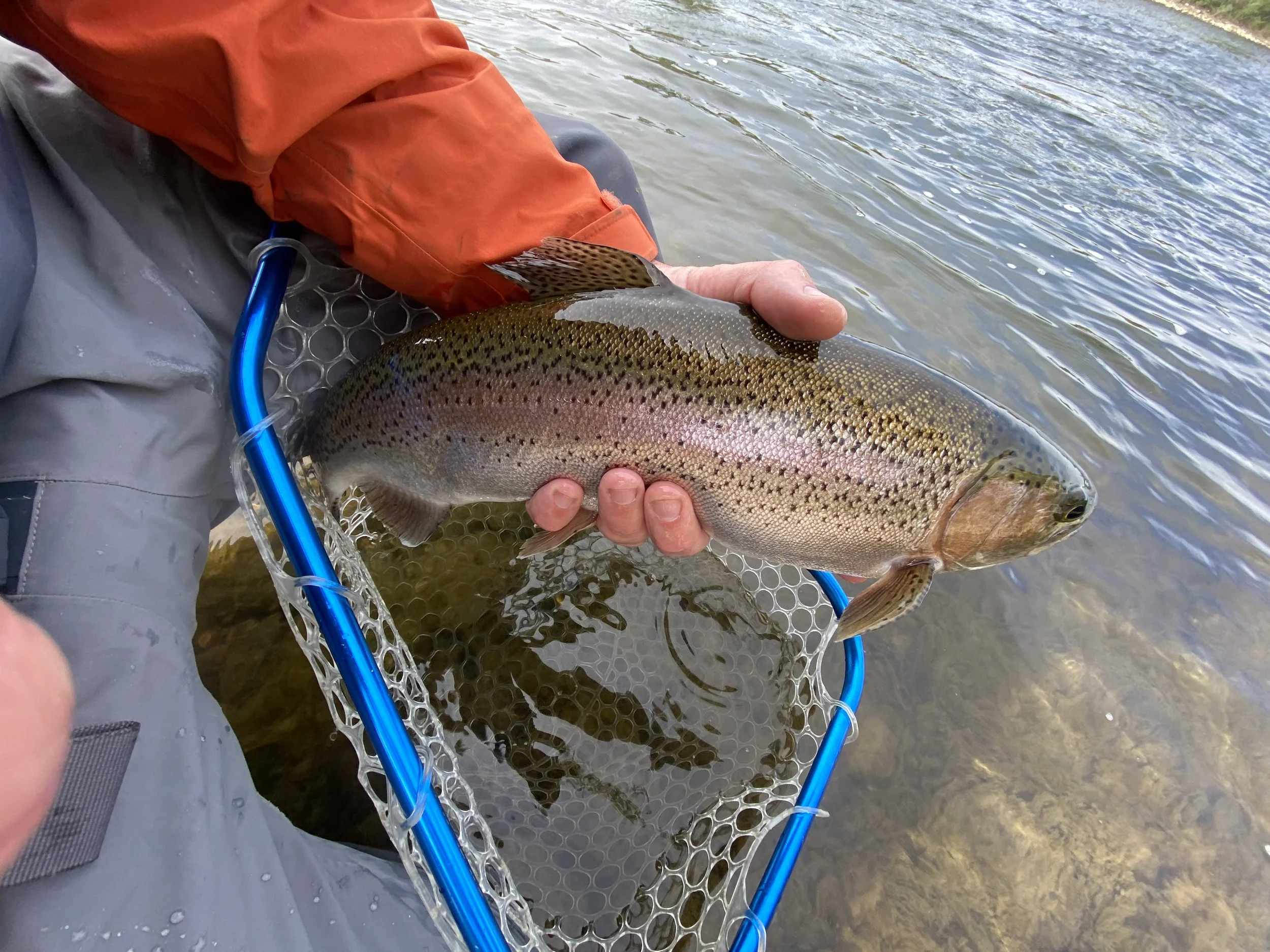
The anglers who consistently catch fish aren’t guessing—they’re doing a few key things differently.
1. Changing Flies Every 5 Minutes
-
Fish your fly with intention before changing it. Ask yourself: Am I getting a good drift? Am I fishing the right depth? Am I even where fish are holding? Most of the time, it’s not the fly—it’s the presentation.
This is easily the most common mistake. You don’t get a bite… so you switch flies.
Still nothing… switch again.
Before long, you’ve spent more time re-rigging than actually fishing.
2. Fishing the Wrong Water
-
Start looking for:
Seams (where fast and slow water meet)Depth changes, Structure (rocks, drop-offs, banks) Fish don’t hang out everywhere.
They position themselves where they can eat efficiently.
A perfect cast in empty water is still… empty. Beginners tend to fish water that looks good to them instead of water that actually holds fish.
3. Focusing Too Much on Casting
-
Focus on:
Drift, Line control, Depth…A sloppy cast with a perfect drift will outfish a perfect cast with a bad drift every time.
Everyone wants to “look good” casting.But here’s the reality:
Fish don’t care how pretty your cast is.
4. Not Adjusting Depth
-
Add weight, Adjust your indicator, Get your flies closer to the bottom…If you’re not occasionally ticking the bottom, you’re probably not fishing deep enough.
If you’re not getting bites, there’s a good chance you’re simply not where the fish are.And most of the time… they’re deeper than you think.
5. Standing Still Too Long
-
Move. Cover water. Change angles. Find fish. Fly fishing is much more active than people think—and the anglers who move tend to find success faster.
There’s this idea that fly fishing requires endless patience. It doesn’t.In fact, staying in one spot too long is one of the fastest ways to waste a day.
6. Overcomplicating Everything
-
Simplify. You don’t need: 100 flies, The most expensive rod, A perfect setup, You need a system that works—and the confidence to fish it.
Between gear, flies, knots, and techniques—it’s easy to feel overwhelmed.That overwhelm leads to hesitation… and hesitation leads to missed opportunities.
7. Trying to Figure It All Out Alone
-
Learn from someone who’s already done it. A single day of focused instruction can shortcut years of frustration and help you actually understand: Where to fish, Why fish eat, How to adjust in real time…
This one costs people the most time. You can absolutely teach yourself fly fishing… but it often takes years of trial and error.
The Bottom Line
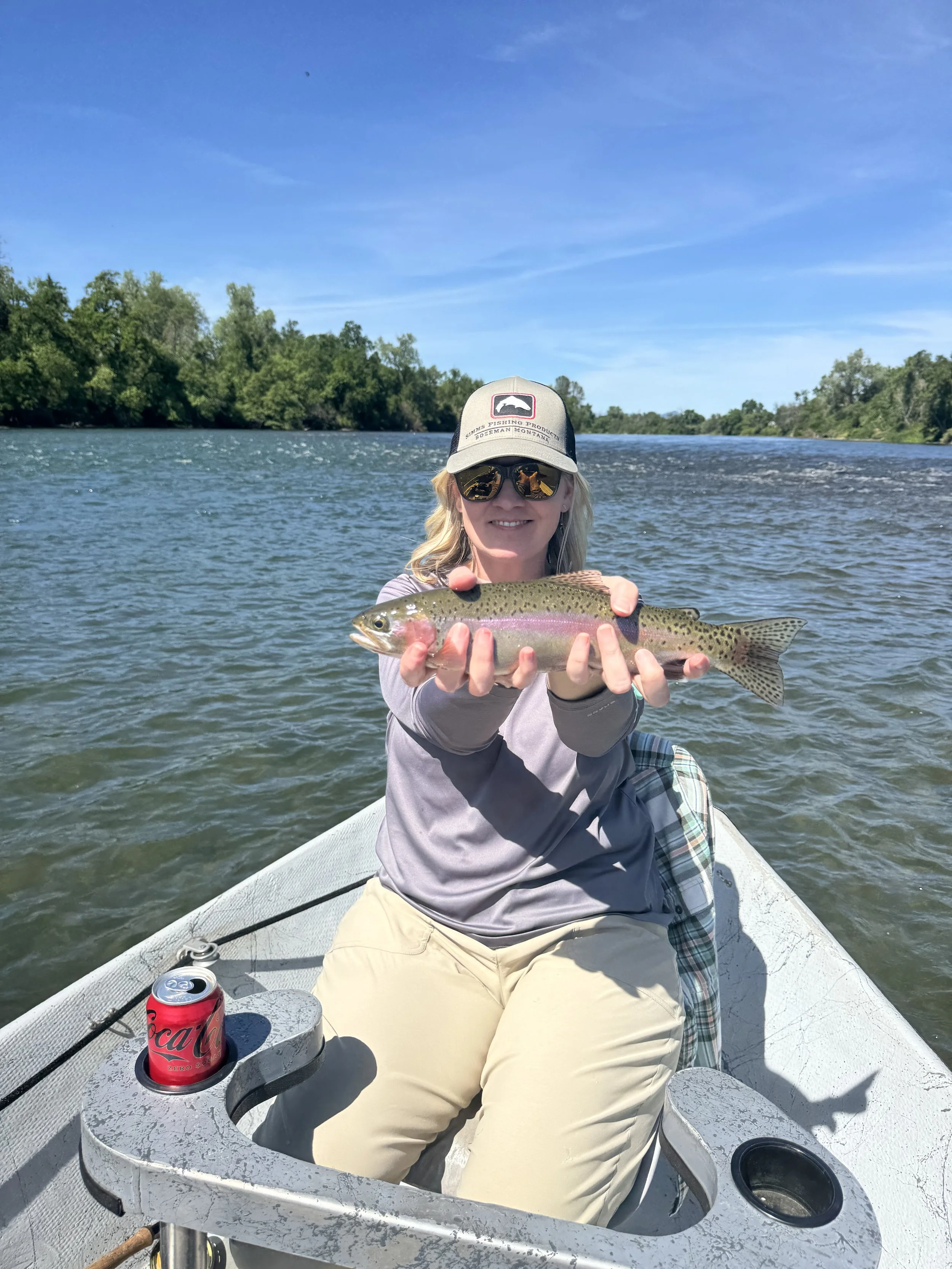
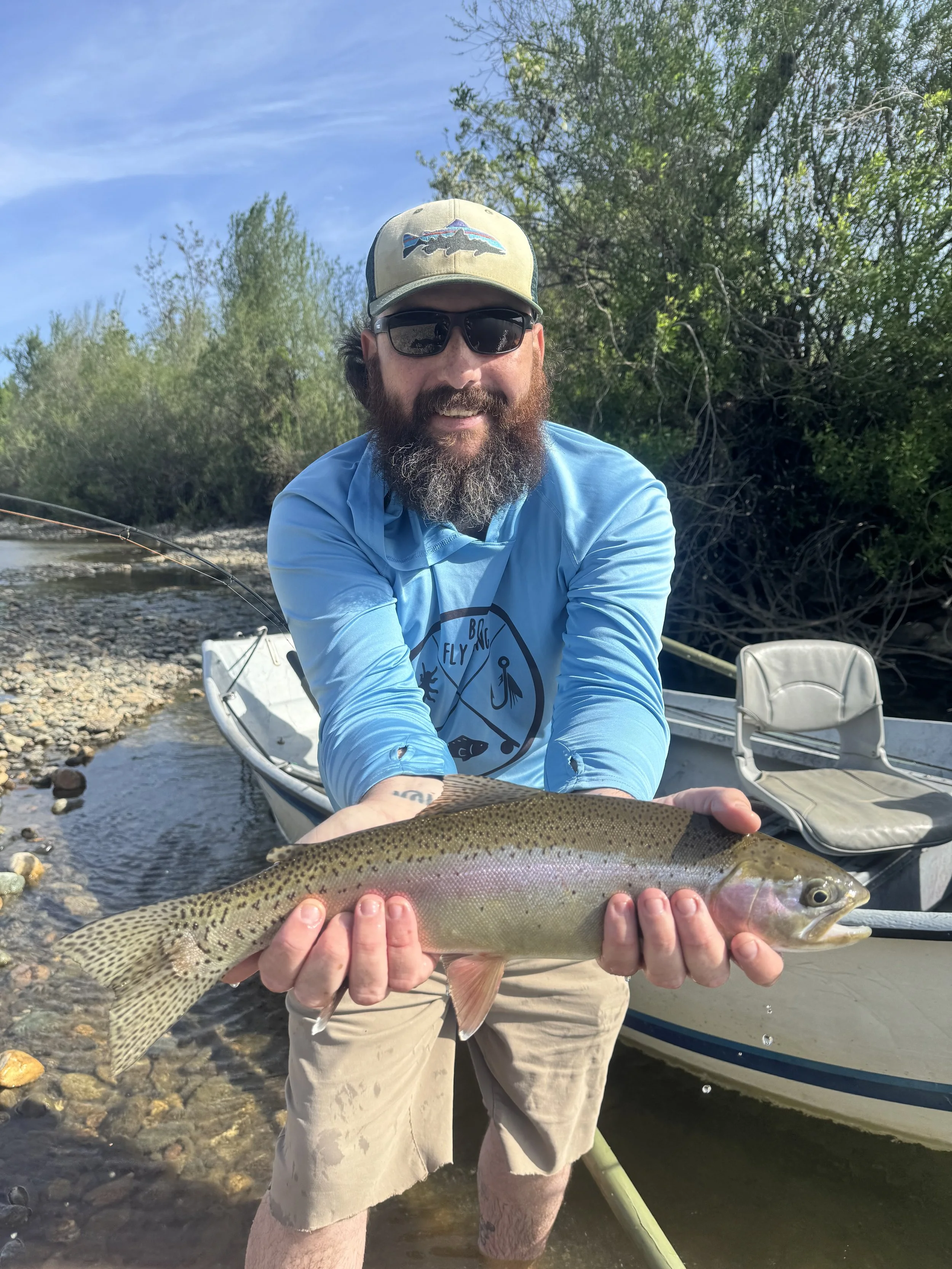
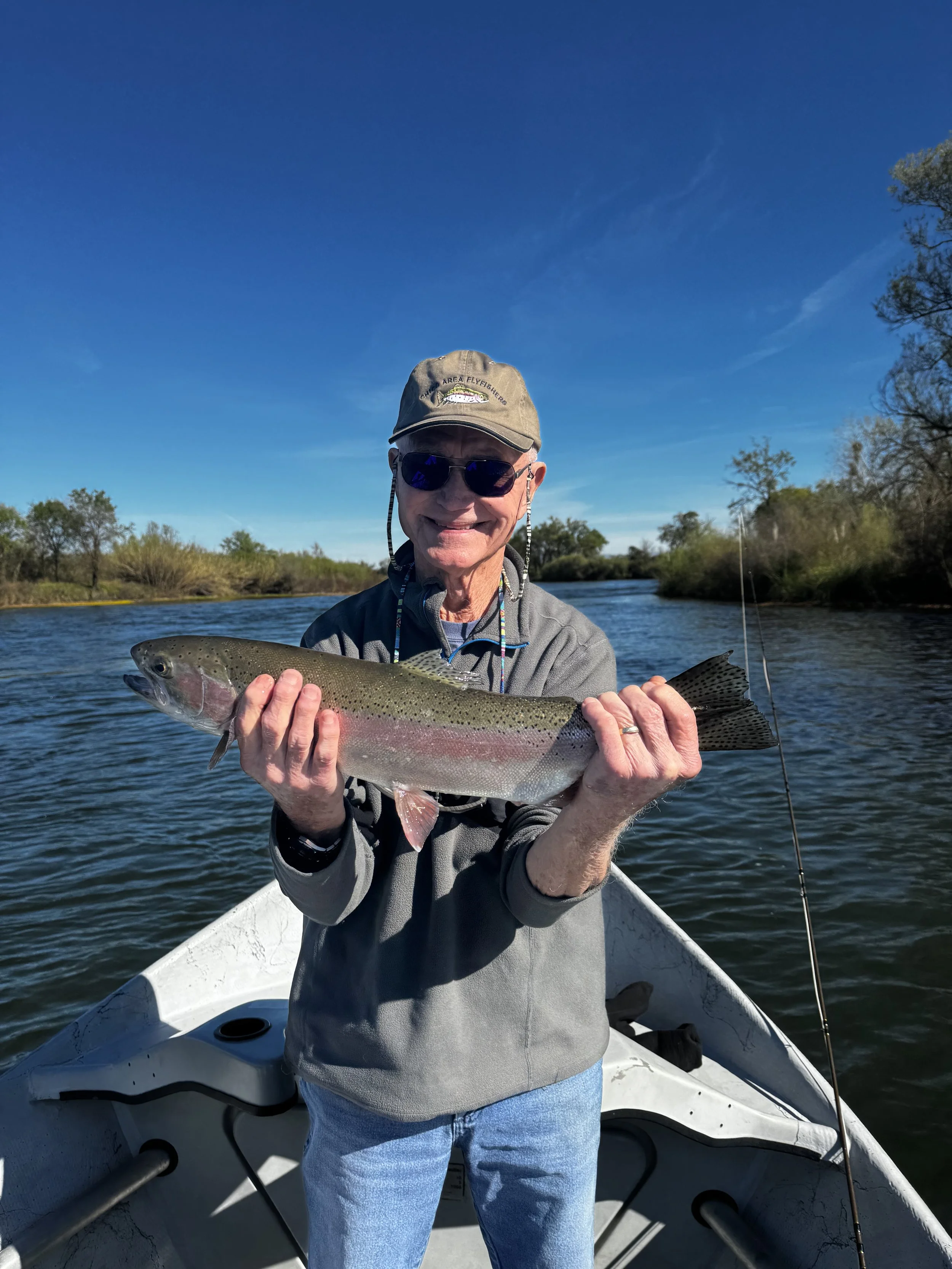
Fly fishing isn’t about luck.
It’s about understanding what’s happening beneath the surface—and making the right adjustments. Once you simplify the process and focus on what actually matters, everything starts to click.And when it does… it’s a completely different experience.
Ready to Skip the Learning Curve?
If you’re tired of guessing and want to actually start catching fish, I offer beginner-friendly fly fishing clinics designed to simplify everything and get results fast.
Whether you’re brand new or just frustrated with slow progress, I’ll help you:
Build a system that works,
Understand the “why” behind what you’re doing
Catch more fish—consistently