

Fishing an Indicator Setup on the Fly
There’s a funny thing about indicator fishing—people love to argue about it.
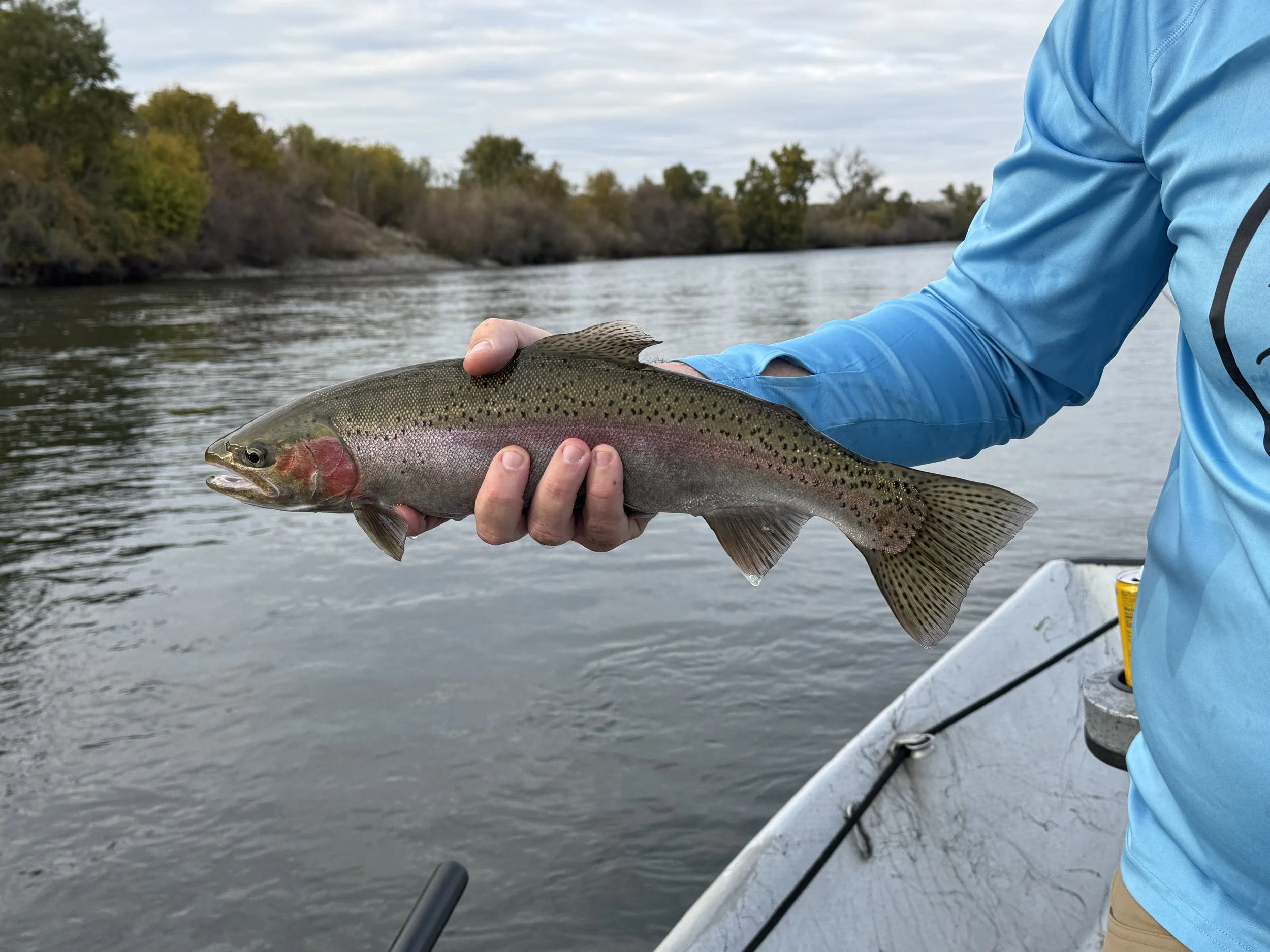
How to Adjust Your Indicator Rig for More Trout
Indicator fishing might be one of the most misunderstood techniques in fly fishing. Some anglers swear by it, while others argue it isn’t “real” fly fishing. The truth is simple: indicator nymphing is one of the most effective ways to catch trout in rivers, especially when fish are feeding below the surface.
But success with an indicator setup doesn’t come from simply tying one on and letting it drift. The most successful anglers constantly adjust their indicator rig on the fly to match changing river conditions.
Understanding how and when to adjust your indicator depth, weight, and fly patterns can dramatically increase your success on the water.
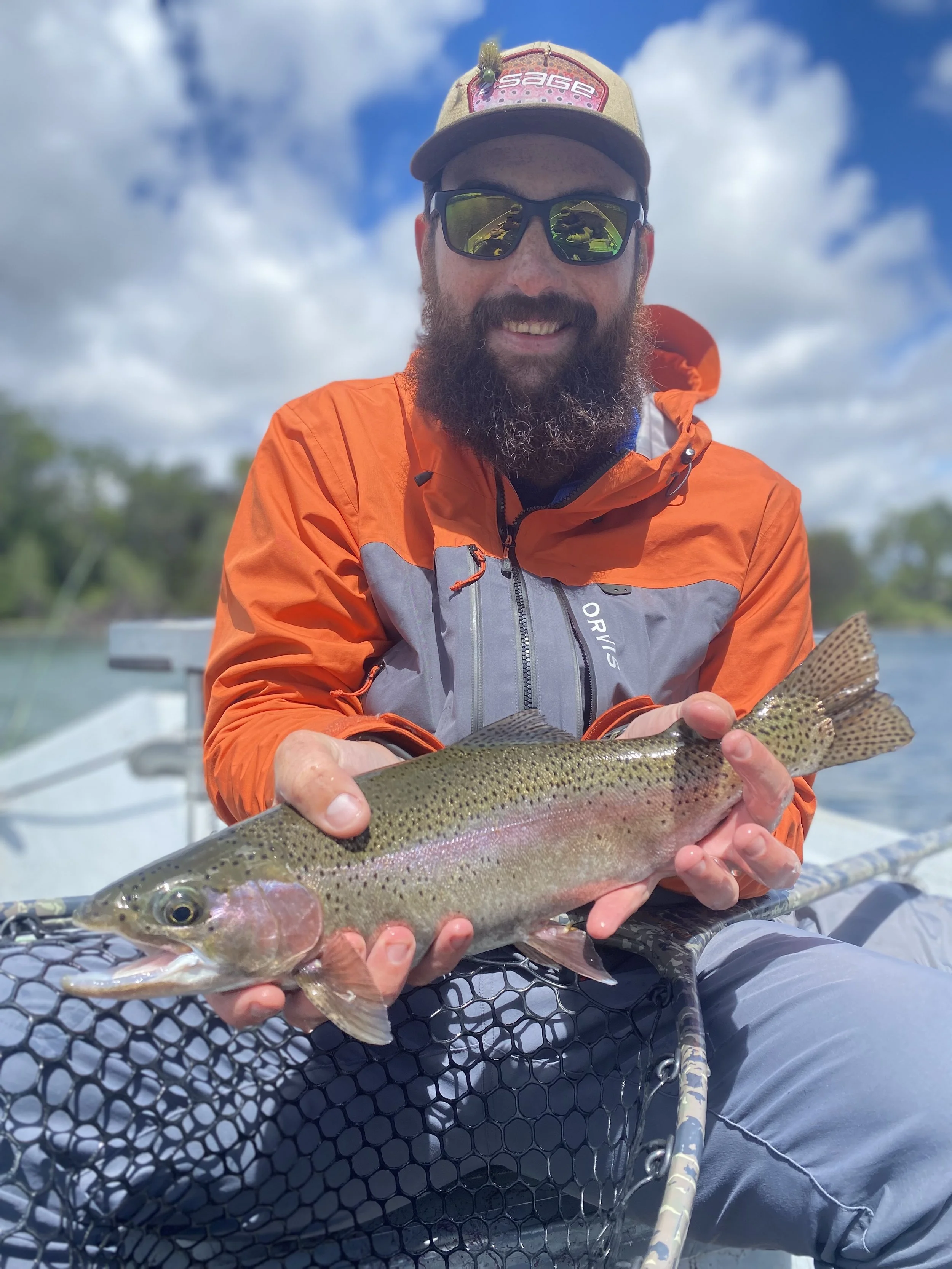
What Is Indicator Fishing in Fly Fishing?
Indicator fishing is a nymphing technique that uses a small floating device (often foam or yarn) attached to the leader to detect strikes from fish feeding underwater.
Because trout spend most of their time feeding below the surface, fishing nymphs under an indicator allows anglers to:
Detect subtle strikes
Control depth more effectively
Maintain a natural drift
Cover water efficiently
In simple terms, the indicator acts like a strike detector, letting you know when something unusual happens beneath the surface.
But the indicator alone doesn’t catch fish — proper setup and adjustments do.
Start With the Right Indicator Depth
One of the most common mistakes anglers make is setting their indicator once and never adjusting it.
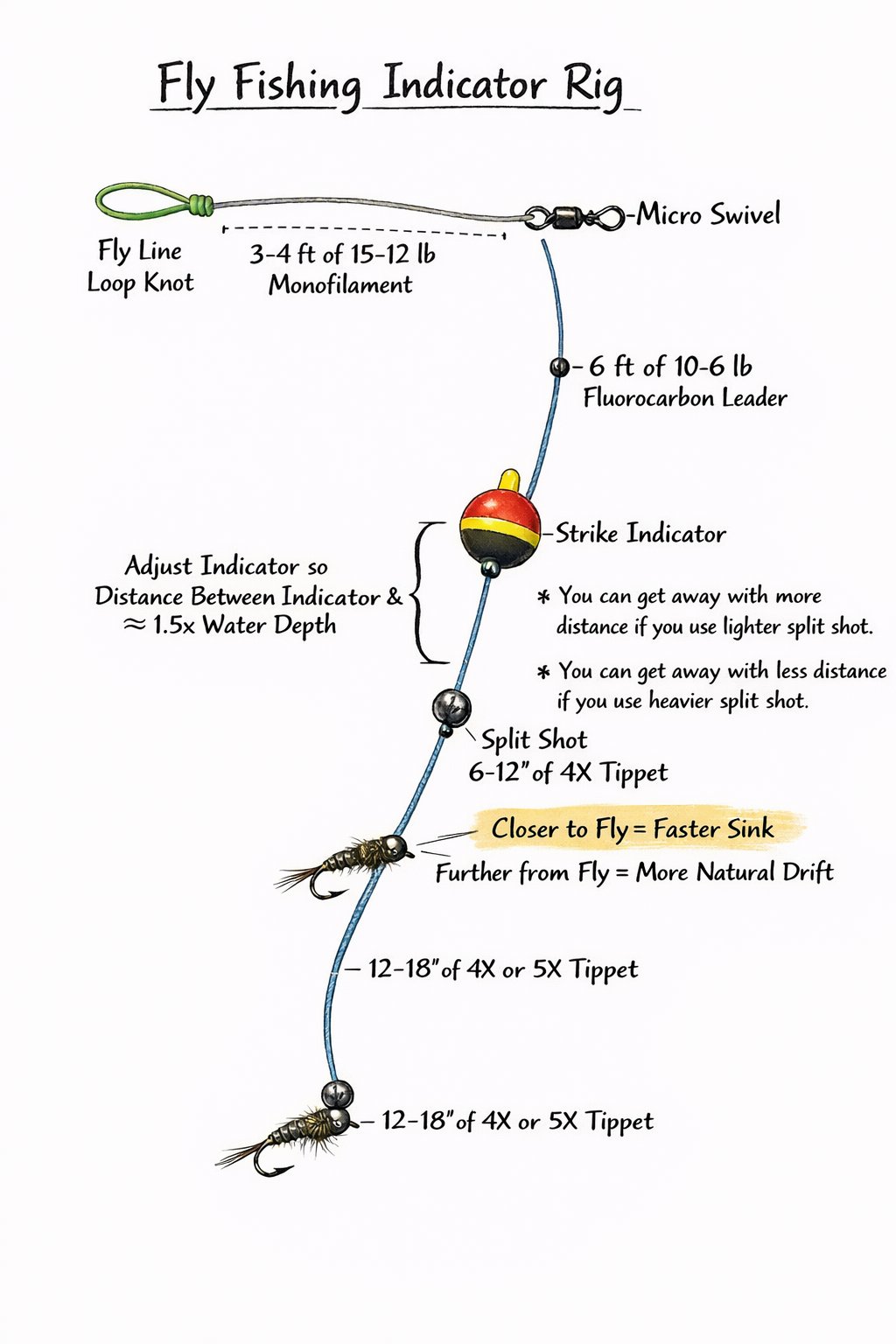
A good starting point is placing your flies about 1.5 to 2 times the depth of the water you’re fishing.
For example:
3 feet of water → flies roughly 4–6 feet below the indicator
5 feet of water → flies roughly 7–10 feet below the indicator
This helps your flies reach the trout’s feeding zone near the bottom.
If you never tick the bottom, you’re probably fishing too shallow.
If you’re constantly snagging rocks, you’re likely fishing too deep or using too much weight.
Dialing in this balance is one of the keys to effective indicator fishing.
Adjust Your Indicator Throughout the Drift
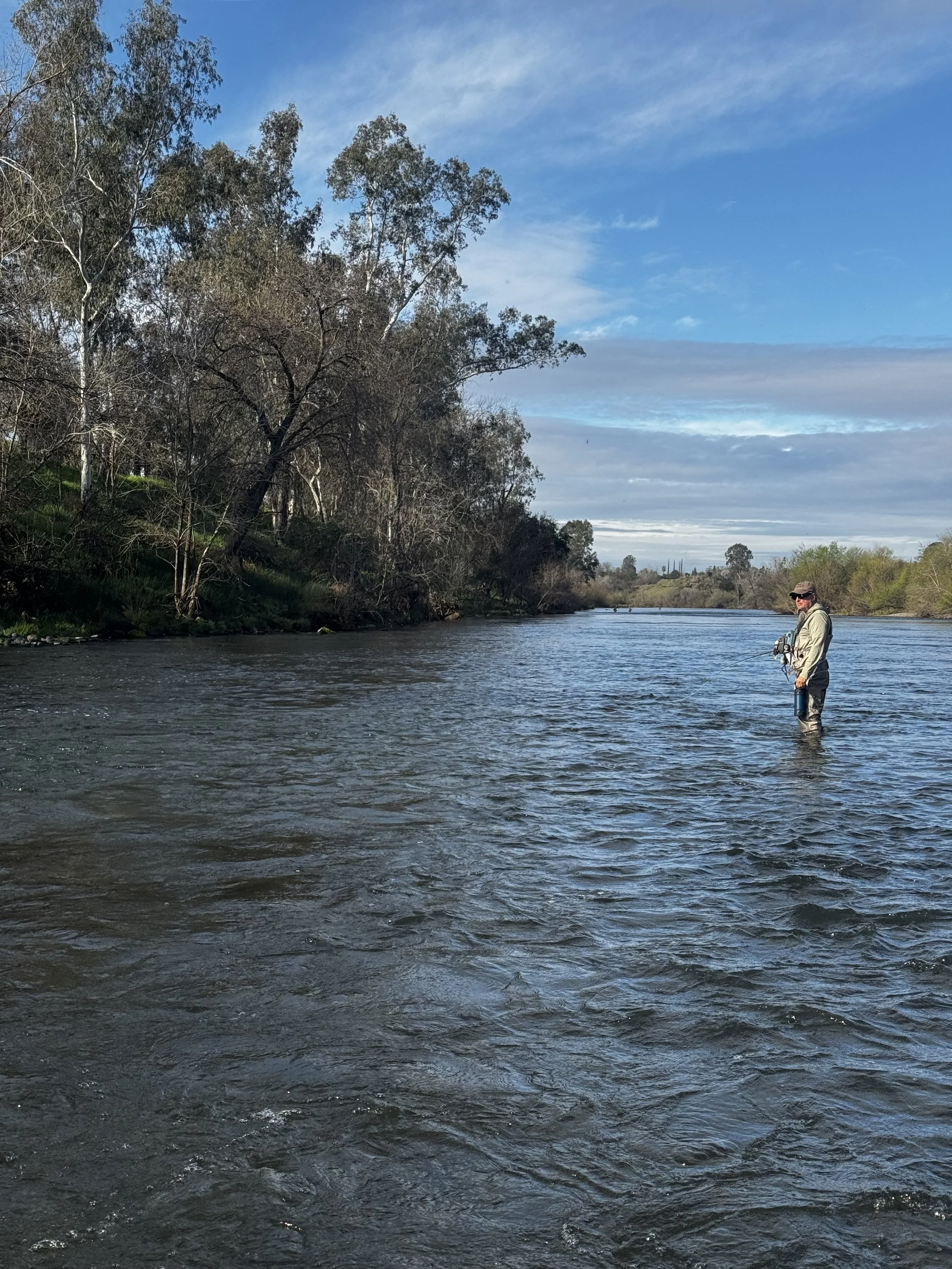
Rivers are constantly changing. A riffle might be two feet deep, while the bucket at the end of the run could drop to six feet.
If your indicator stays in the same place all day, your flies will only be in the strike zone for part of the drift.
Successful anglers constantly adjust their indicator by:
Sliding it higher when entering deeper water
Shortening it when fishing shallow riffles
Adding split shot in faster current
Removing weight in slower water
These small adjustments take seconds, but they can completely change how your flies drift and dramatically increase hookups.
How to Read an Indicator Strike
Many anglers expect their indicator to dive underwater when a fish takes the fly. While that does happen, most trout strikes are much more subtle.
Pay attention to any unusual movement:
The indicator hesitates
It twitches slightly
It stalls in the current
It moves upstream
It tips sideways
If something looks different, set the hook.
Trout often eat softly, especially when feeding on small nymphs like Blue Winged Olive nymphs or mayfly patterns.
When in doubt — set the hook.
Cover Water When Indicator Fishing
Another common mistake anglers make is standing in one spot for too long.
Trout hold in specific types of water:
Seams where currents meet
Drop-offs and ledges
Deep buckets
Tailouts at the end of runs
Indicator fishing works best when you cover water and search for feeding fish. A handful of good drifts through productive water is usually enough to determine if fish are present.
If nothing happens, move and try another seam.
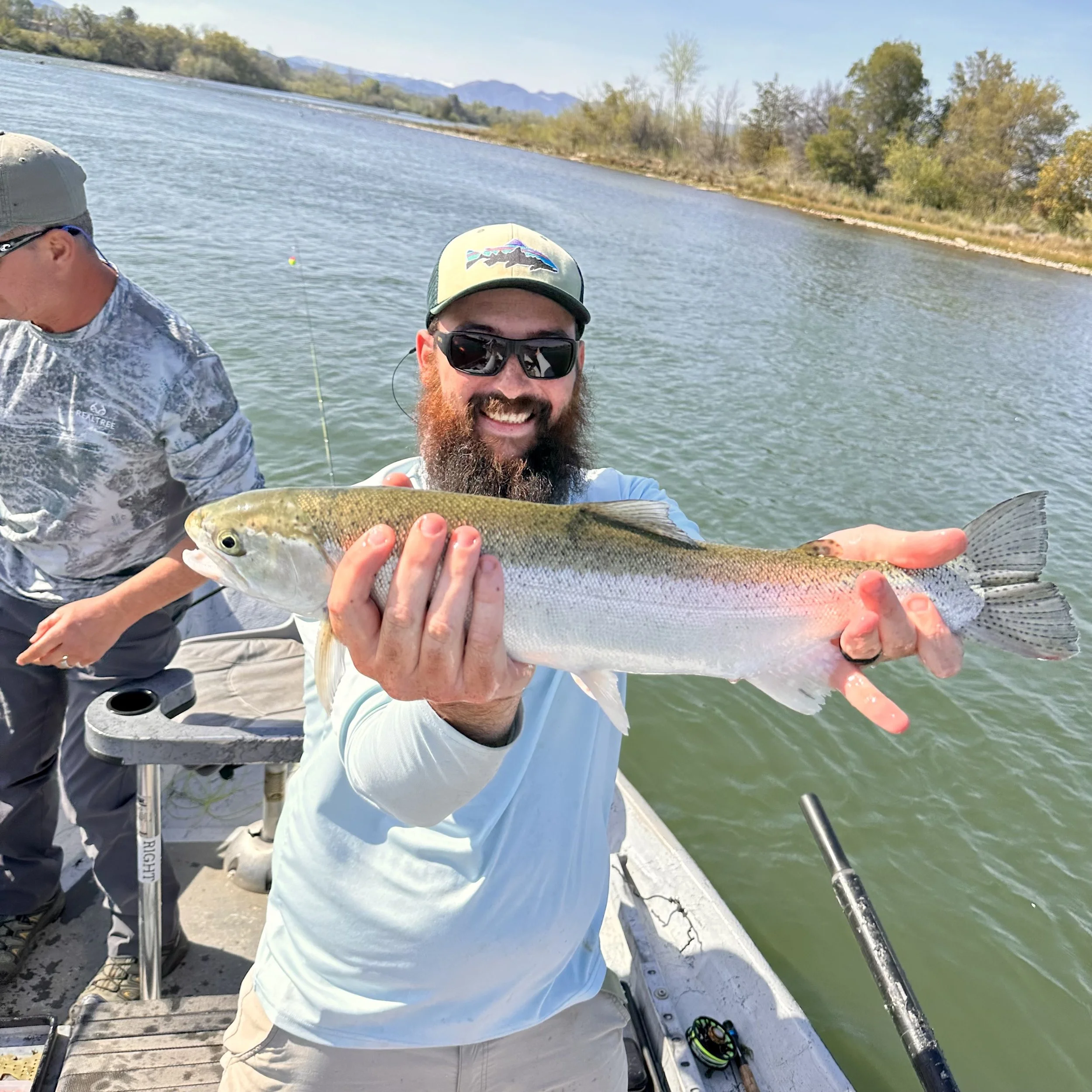
Confidence Is the Key to Catching More Trout
The anglers who consistently catch fish with indicator rigs aren’t using secret flies or complicated setups.
They simply pay attention.
They adjust depth.
They change flies.
They modify weight.
They move when the water isn’t producing.
Every drift becomes a small experiment that teaches them something about the river.
That’s the real art of fishing an indicator setup on the fly.
And when everything lines up just right, watching that little indicator slide under the surface never gets old.
Learn Indicator Fishing Faster
Learning how to properly adjust an indicator rig can take years of trial and error. Understanding depth control, fly selection, weight placement, and reading water is what separates struggling anglers from consistently successful ones.
That’s exactly why I offer private fly fishing clinics and guided trips through Bock Fly Fishing.
My goal isn’t just to put you on fish for the day. I want to help anglers understand why fish are holding in certain water and how to adjust their rigs so they can catch fish long after the trip ends.
Whether you’re new to nymphing or looking to refine your technique, a day on the water breaking down indicator fishing in real time can completely change how you approach a river.
Because at the end of the day, the goal is simple:
Every cast is an adventure.